Author: Ryan Rotella
-

Project: Solar Radio
Group Ryan Rotella, Surya Nareddi, and William Fang Concept We want to construct an antenna that is powered by a Voltaic battery that recharges with solar energy. With this solar-powered antenna, we want to capture radio signals using a Raspberry Pi and Software Defined Radio (SDR) accessories/software and transmit them to a website we will…
-
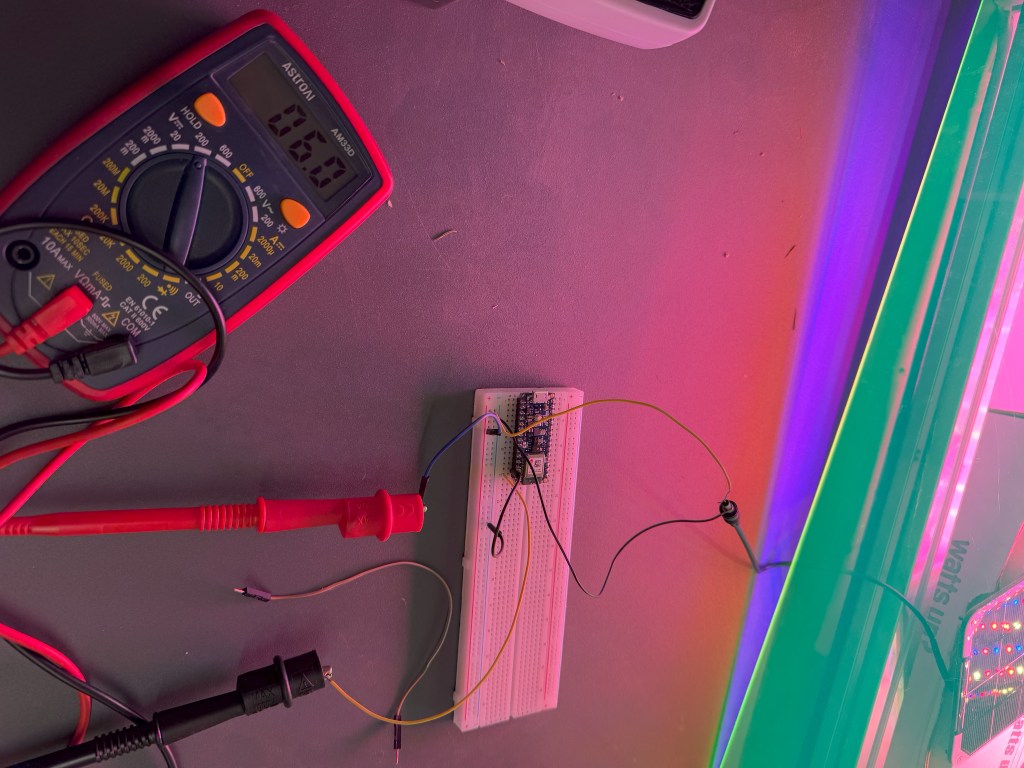
Solar: Microcontroller Basics
I sucessfully powered an Arudino with a solar panel. I hooked up wires to the barrel of one of the panels in the solar cart. Then, I pressed the on button for the power strip powering the grow light. However, I tried to give power to a circuit from my PComp final last semester, but…
-
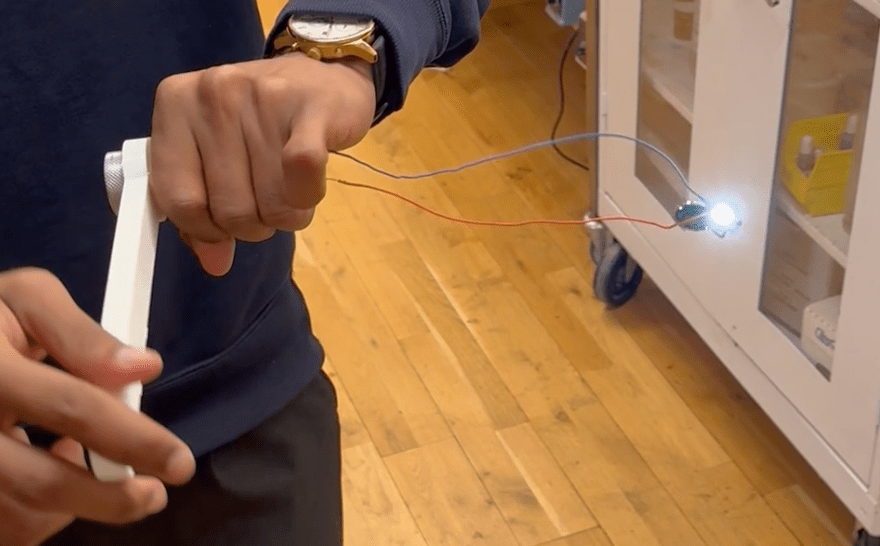
Hand Crank Projector
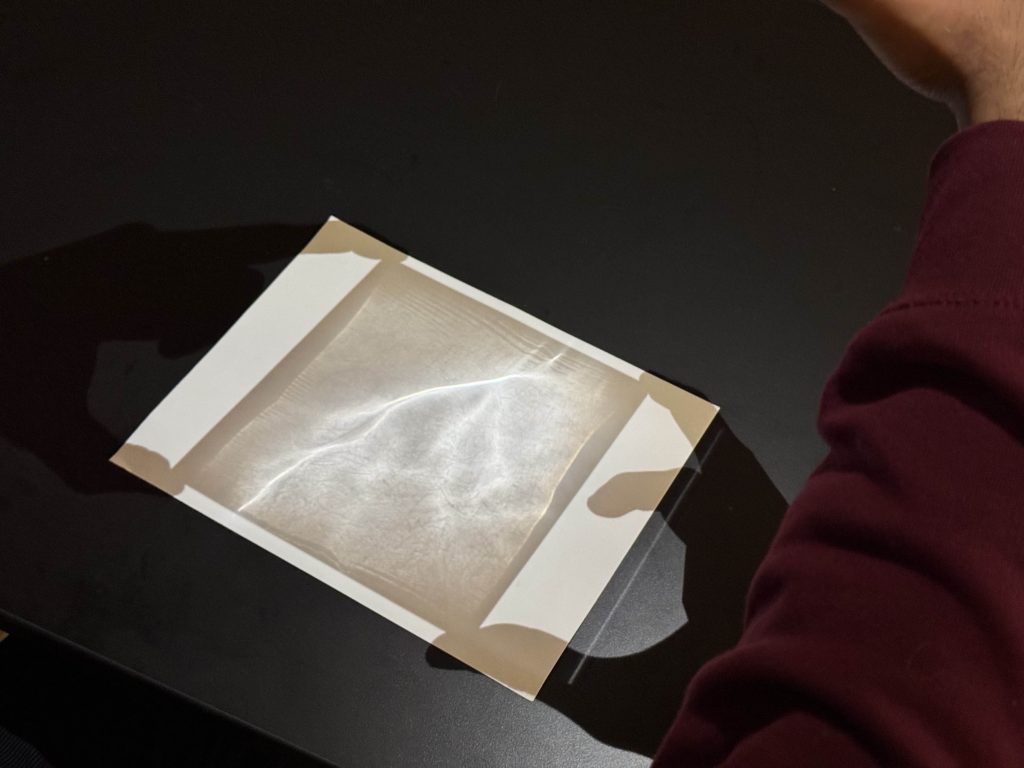
Concept v. Reality Pictured above are: 1.) our inspiration for our hand-cranked projector, an early 20th century camera that required more physical energy to operate; 2.) our loose design for our projector with electronics encased in a clear acrylic box powered by a hand crank, shooting focused light at a caustic lens, casting an image.…
-
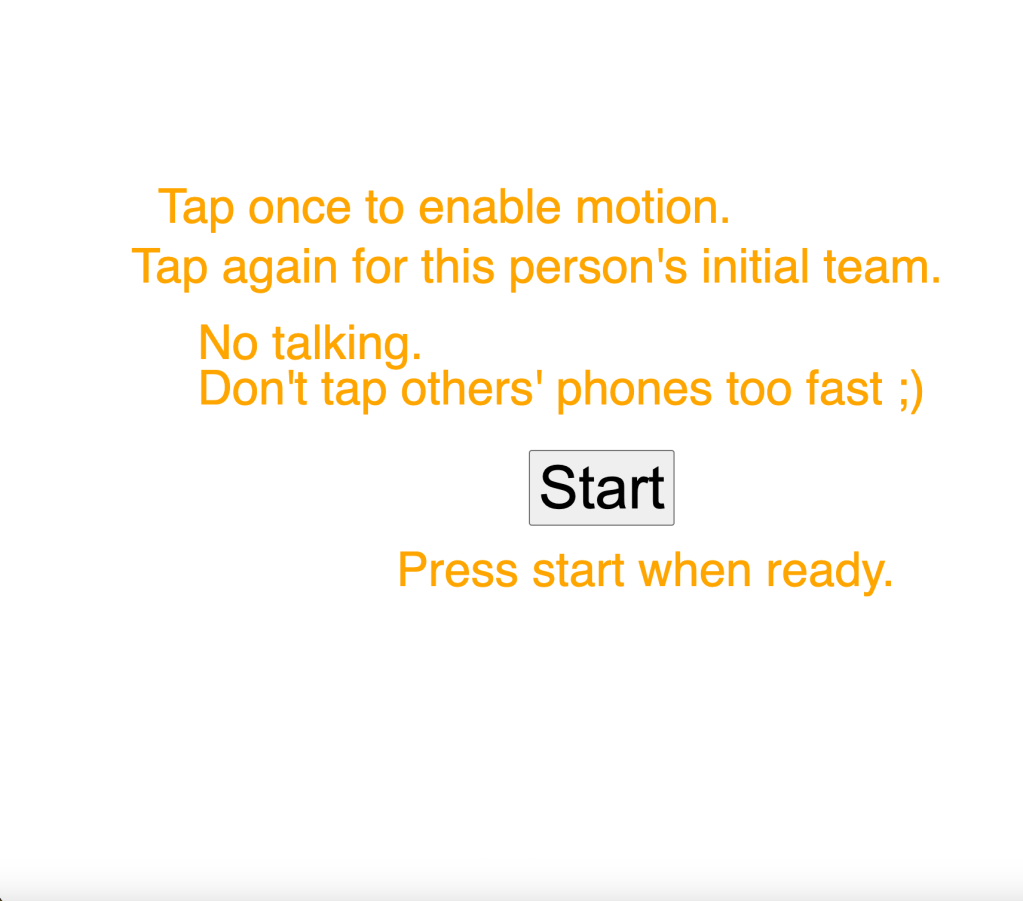
Collective Play, week 3
Design Study No. 1: Collisions Link to: Glitch project Code Design Design Plan Description: a mobile client iteration of this, with switching goals Goal: win by turning the most people into your color. To check Instructions: Goal: Get the other players’ colors to match your own Rules: In the case of a disconnection:
-
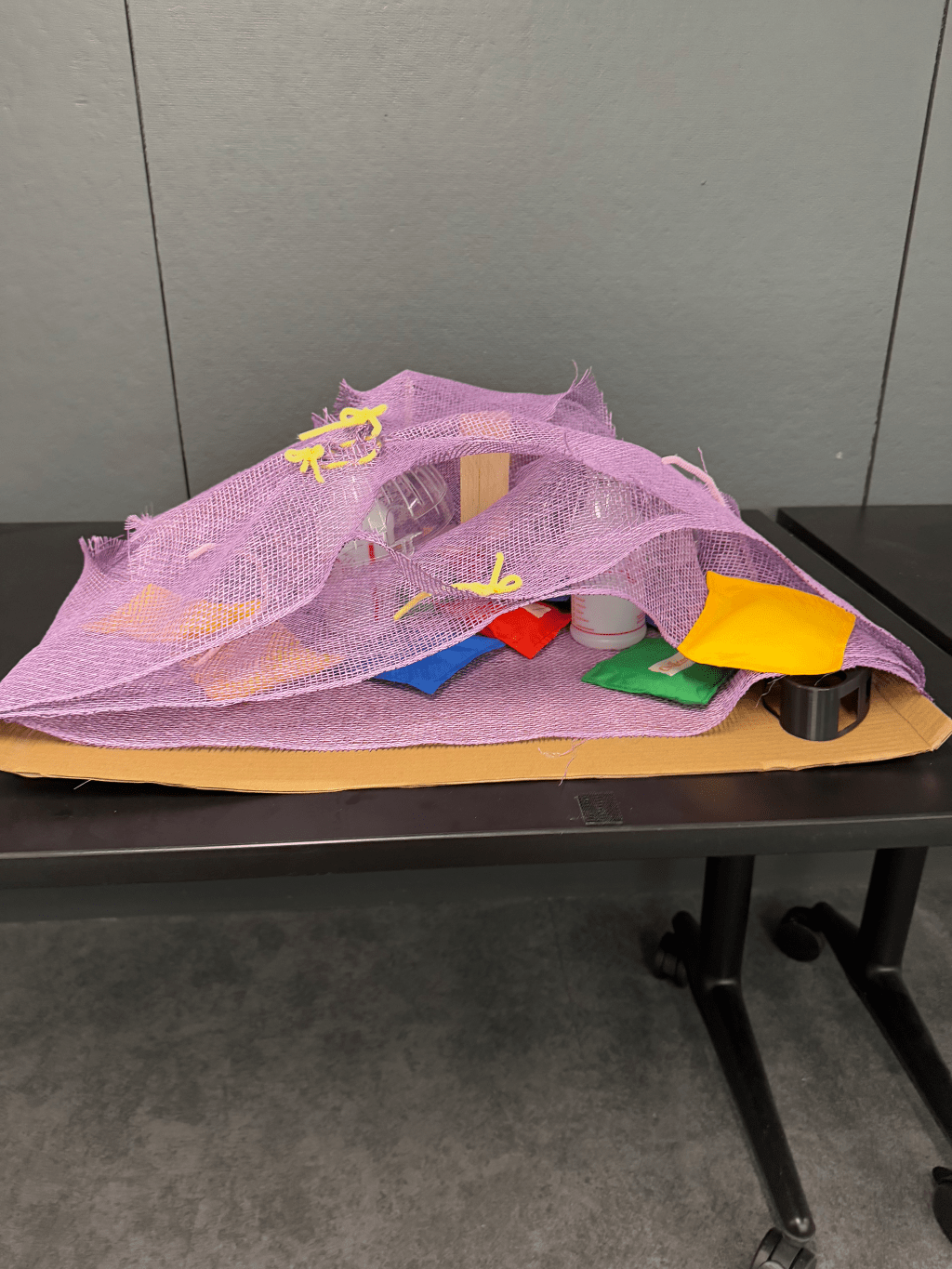
Baby Land (2025)
Baby Land (2025) is an assemblage sculpture that Minami Matsumoto and I made for Modern Artifacts: Public Art for the People. The Concept Baby Land is meant as a Playground for all. Under the net, giant mushroom sculptures provide shade, turning the playground into a mix of adventure and rest. Kids can climb up and…
-
-
Kinetic Energy Project Update
This is more of an informal timeline of what Surya and I worked on this past week. Saturday, 2/8/2025 Surya and I discussed what the fabrication of our project would entail. We designed roughly what the projector would look like so that we could list the components we needed and what needed the most immediate…
-

Kinetic Energy Project Plan
Concept: Wind-up Projector Surya and I are working together for our first project in Energy. We both met and brainstormed a few ideas, most of which involved a hand crank that powered a well-designed light effect. We particularly had a lot of interest in old analog cameras that had to be cranked in order to…
-
Collective Play, week 2
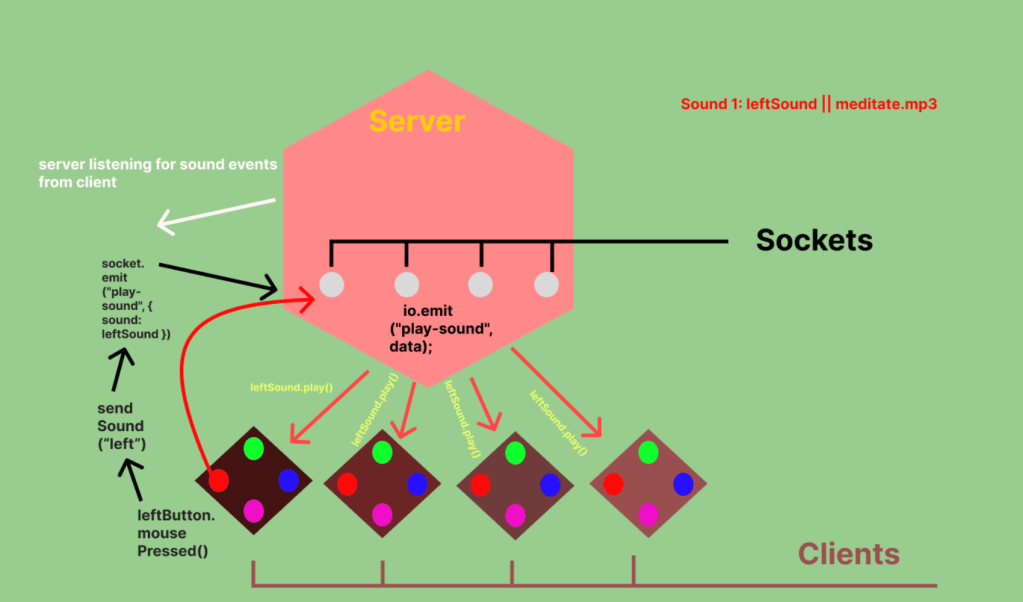
Assignments Mobile Noisemaker Noisemaker Server/Client Diagrams Next Week: Collisions Due in 2 Weeks. Study No.1 Collisions Create a 5 minute noisy, movement activity for everyone to do together at the same time that maximizes collisions. Collision Plan
-
MoLab Week 2 blog
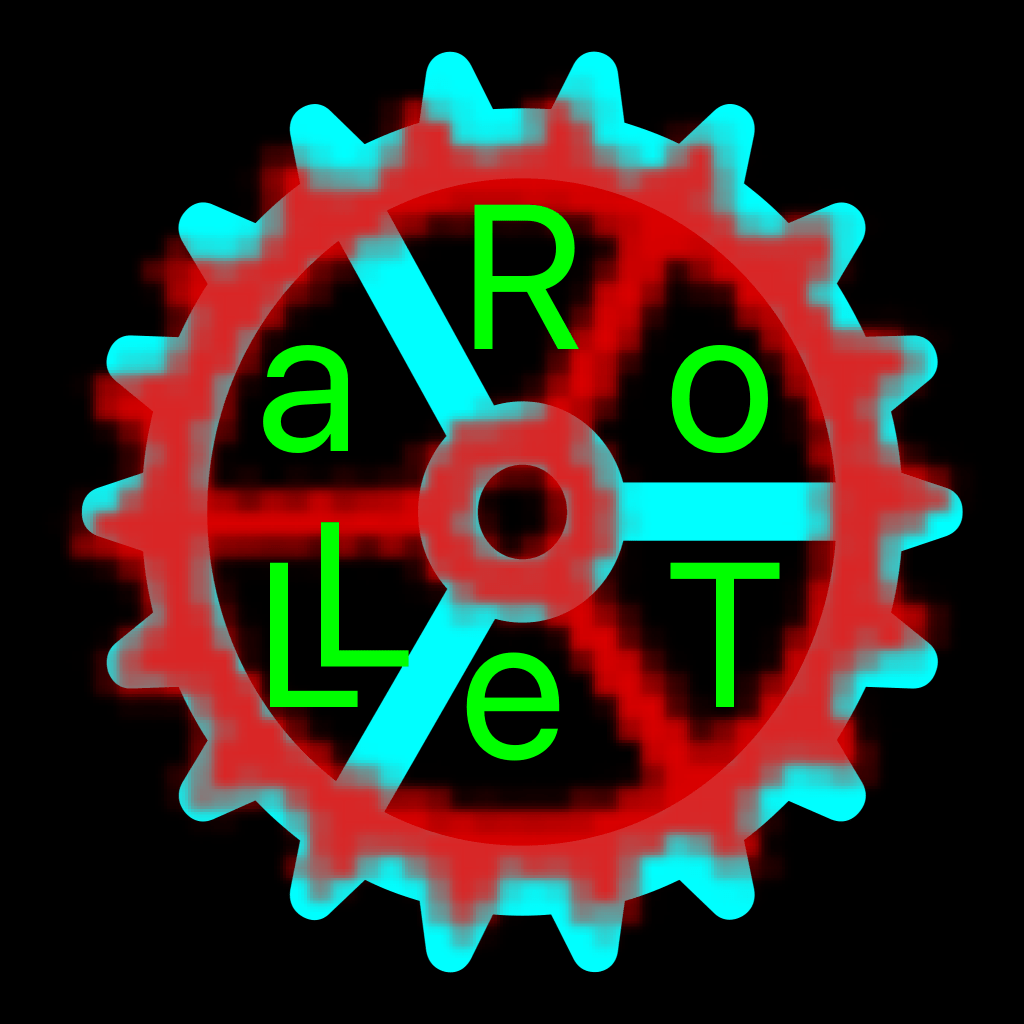
Follow along with my code for Mobile App Development at my Github Week 2 Assignment I rendered this image as a 1024 x 1024 .png file using Swift! I used two SF Symbols of a gear and overlayed them. I found a rotate function through the power of Google and Stack Overflow to create the…
 Ryan Rotella